
Autumn Brilliance Serviceberry
Expected Height/Spread: 20’-25’ tall, 15’-20’ wide
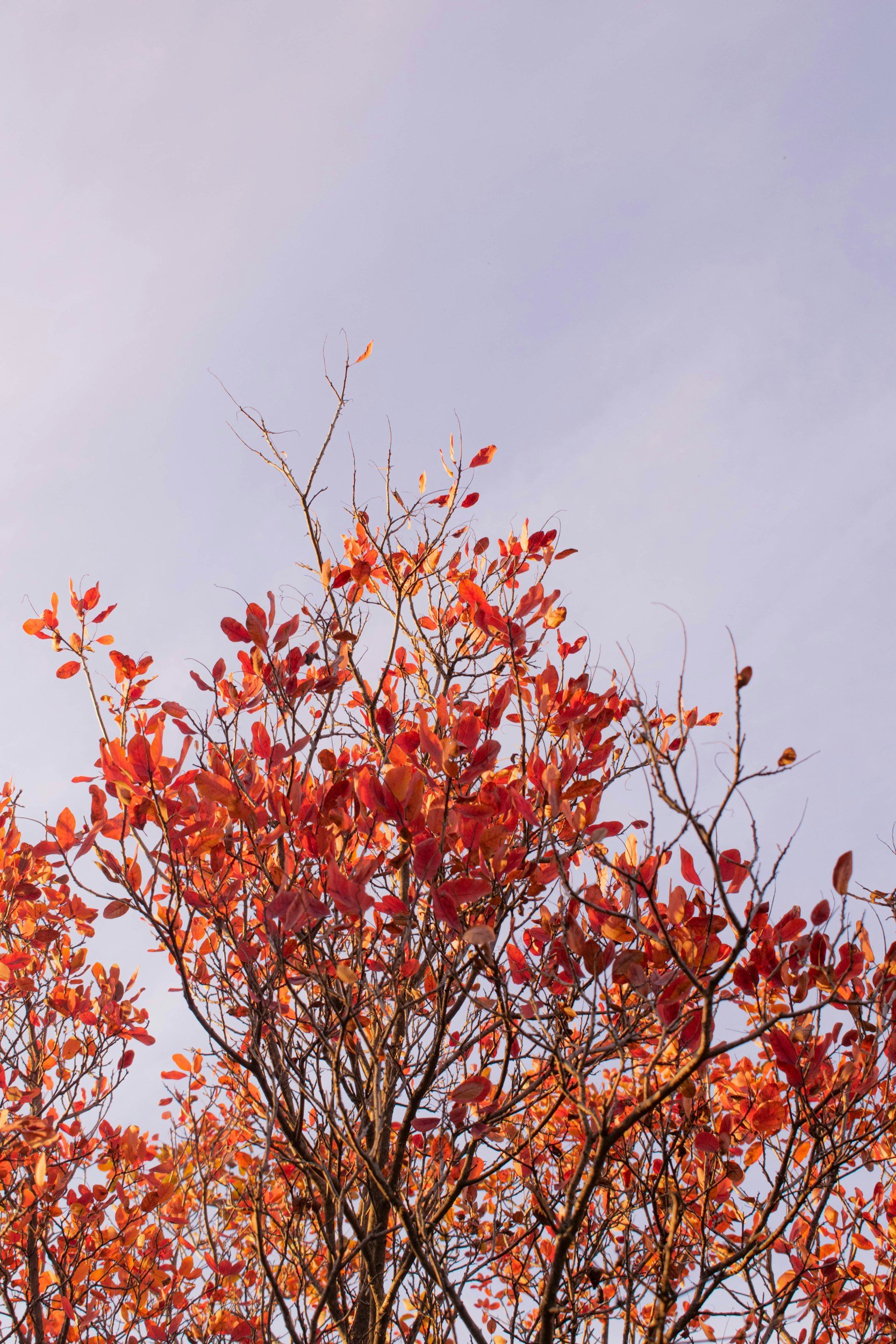
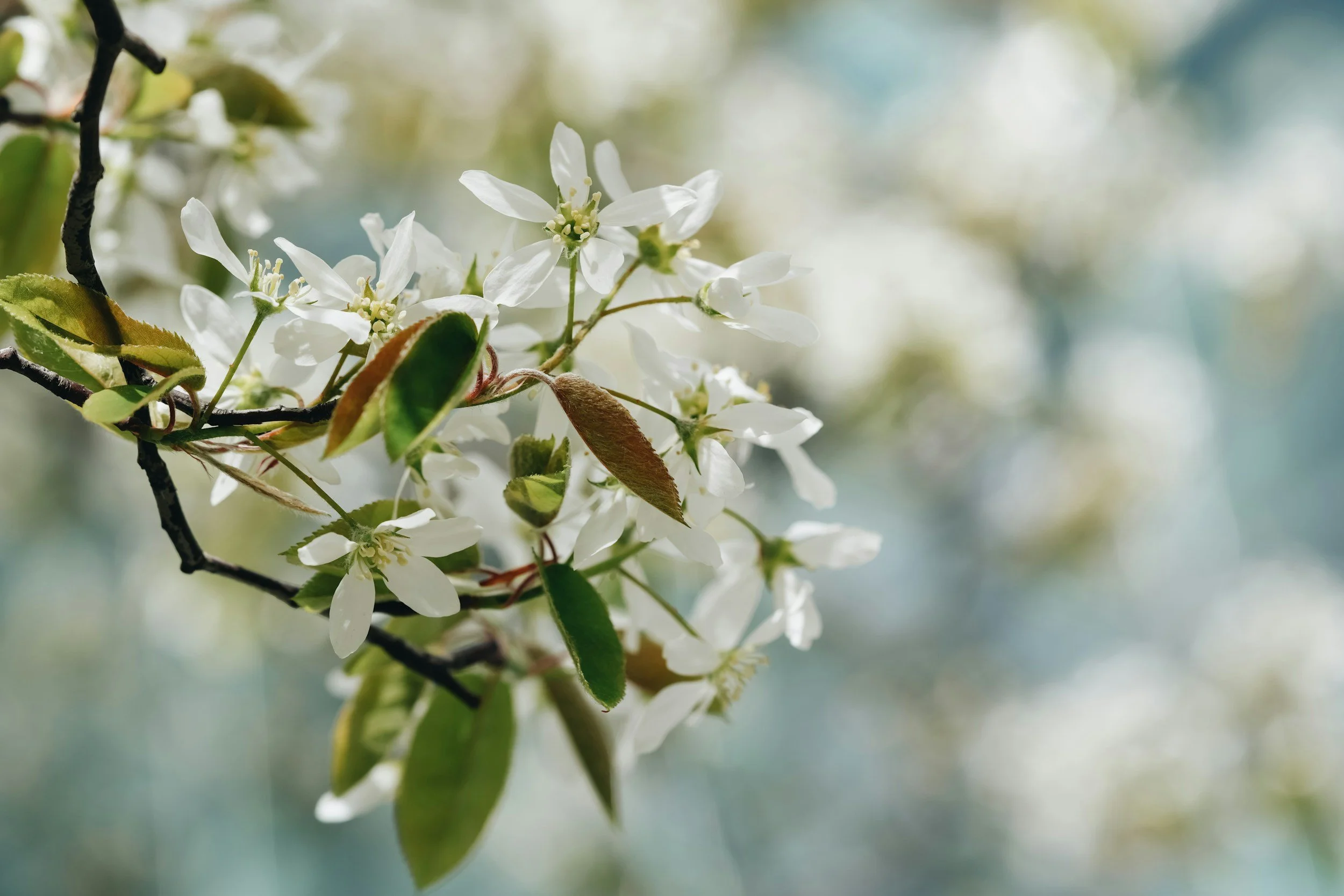
We love to see the signs of spring in Wisconsin. Autumn Brilliance serviceberry trees are one of the first in Wisconsin to showcase their beautiful flowers, which also make them an early nectar source. Another plus to this tree is the small, tasty fruit that is used in jams and pies. The leaves provide beautiful color as the seasons change, ranging from green to orange and red. This serviceberry in particular has a stronger resistance to leaf spots and rust.
How It Grows
The Autumn Brilliance Serviceberry is a fast-growing ornamental tree with a graceful, upright form that matures into a rounded canopy. It typically reaches 15–25 feet tall and wide, making it an excellent fit for residential landscapes, naturalized plantings, or smaller yards. In early spring, clusters of white flowers appear before many other trees leaf out, followed by edible berries in early summer and brilliant fall color later in the year.
Where to Plant It
This tree performs best in locations with plenty of sunlight and well-drained soil. It works beautifully as a specimen tree, near patios, along property lines, or incorporated into native and pollinator-friendly landscapes.
Ideal planting locations include:
Front or backyard focal points
Pollinator and wildlife gardens
Rain gardens or naturalized areas
Smaller urban lots
Woodland edges
Avoid planting in low areas with standing water or locations exposed to heavy road salt.
Pros & Considerations for Property Owners
Reasons to love it
Floral Beauty. One of the earliest spring bloomers in Wisconsin
Feeding Nature. Early nectar source for bees and pollinators
Feeding Families. Produces edible berries for jams, pies, and fresh eating
Color. Outstanding orange-red fall color
Eye-Catching. Attractive year-round appearance
Resistance. Improved resistance to leaf spot and rust diseases
Size. Small Great size for smaller properties
Things to consider
Before planting, consider the mature width and allow enough space for airflow and healthy growth. While this variety is more disease resistant than many serviceberries, good site selection and proper watering practices help keep the tree healthy long term. If fallen fruit near sidewalks or patios is a concern, place the tree slightly away from high-traffic areas.
Arborist Perspective
Insert quote from Colton/Arron/Zach