
Firebird Crabapple
Expected Height/Spread: 8’-10’ tall & wide
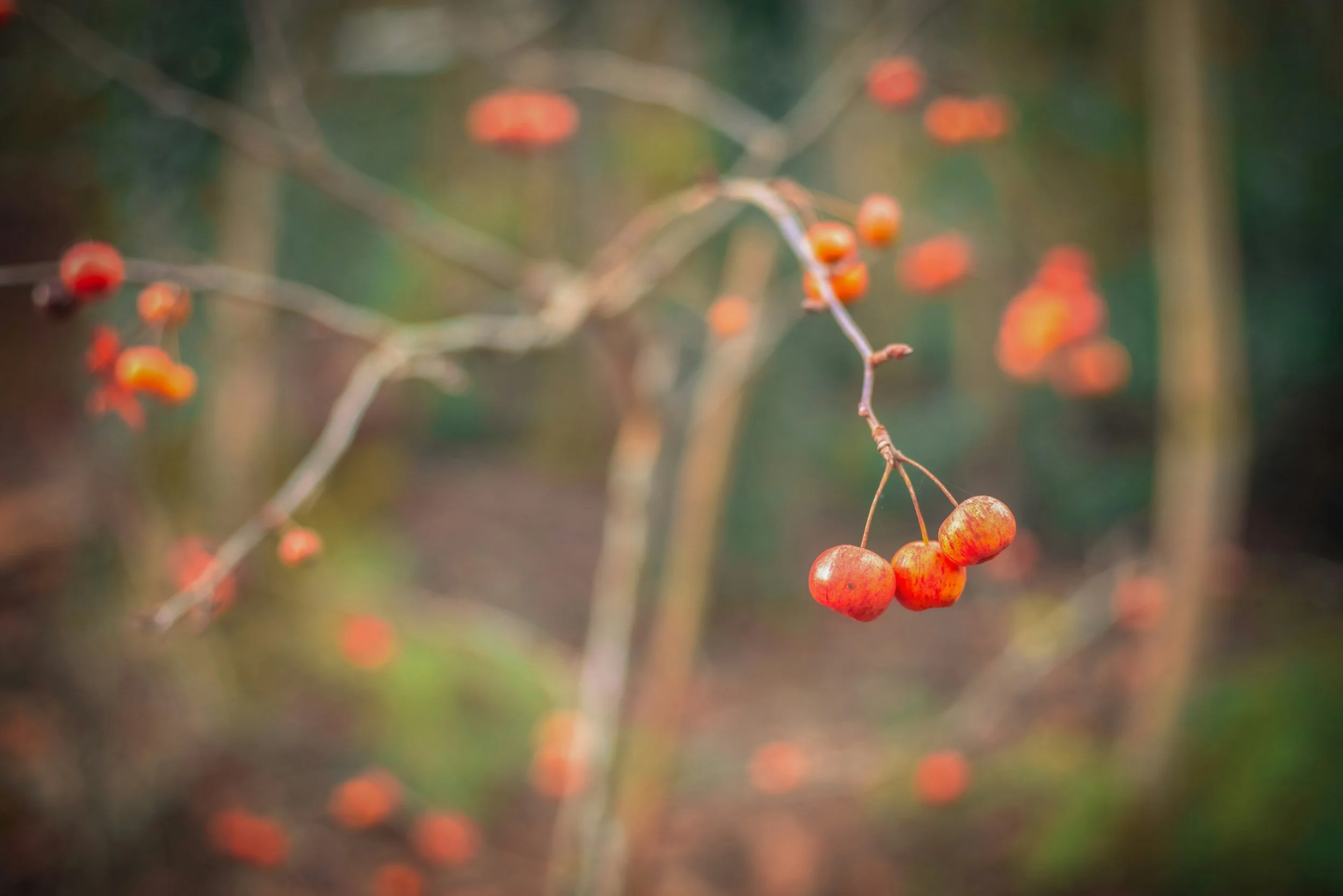
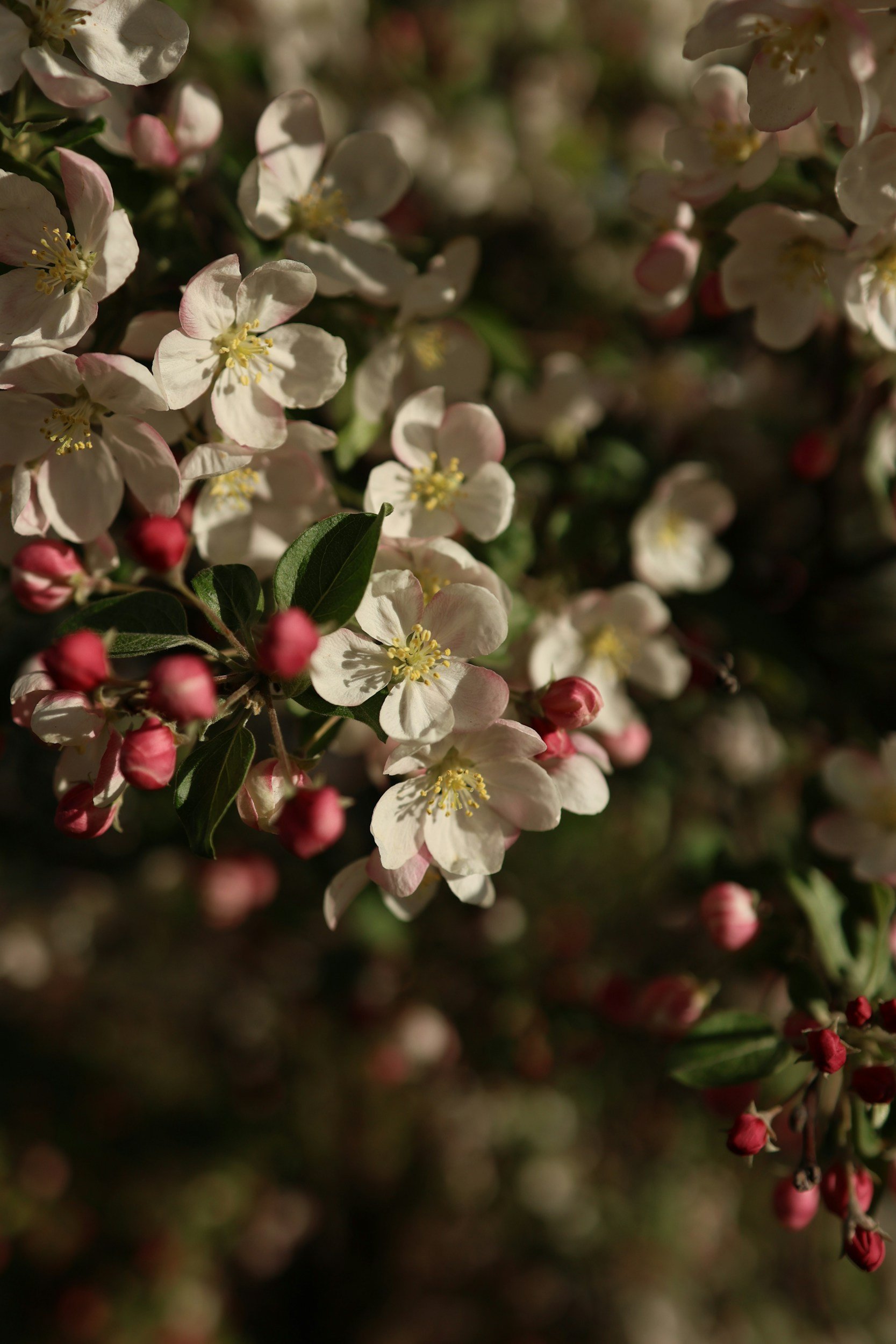
If you’re looking for a showy tree that will make your landscape really pop out in the spring, look no further. Firebird crabapple produces red buds in the spring that flower out into beautiful white flowers throughout the full canopy. You can expect to see color even in the winter months with this tree because of the small crabapples – which are a great bird attractant. Because of the mature height & spread being relatively small, this makes for a beautiful accent tree. Don’t let the size of this tree question heartiness, as the Firebird crabapple does well in Wisconsin winters and is disease resistant.
How It Grows
The Firebird Crabapple is a compact ornamental tree known for its dense branching, vibrant spring blooms, and colorful fruit display that lasts well into winter. In spring, deep red buds open into masses of bright white flowers that cover the canopy. Small red crabapples develop afterward and often remain on the tree through winter, providing lasting visual interest and food for birds.
Growth rate: Moderate
Mature size: 15–20 ft. tall and wide
Shape: Rounded, compact canopy
Sun needs: Full sun for best flowering and fruit production
Soil needs: Adaptable to most well-drained soils
Wildlife value: Excellent food source for birds in fall and winter
Where to Plant It
This ornamental crabapple works best where its seasonal beauty can be fully appreciated. Its smaller mature size makes it ideal for residential landscapes and tighter spaces.
Ideal planting locations include:
Front yard accent tree
Near patios, walkways, or entryways
Smaller urban or suburban lots
Pollinator-friendly landscapes
Mixed ornamental garden beds
Avoid overly wet planting areas or heavily shaded locations, as reduced sunlight can limit flowering and fruit production.
Pros & Considerations for Property Owners
Reasons to love it
Beautiful Flowers. Stunning spring flower display
Winter Beauty. Persistent red crabapples provide winter interest
Birds & Wildlife. Strong bird attraction and wildlife value
Size. Compact size fits smaller properties
Resistance. Good resistance to common crabapple diseases
Tolerant. Performs well in Wisconsin winters
Structure. Attractive branching structure year-round
Things to consider
Fruit drop may require occasional cleanup near sidewalks or patios
Best flowering occurs in full sun
Occasional pruning may be needed to maintain airflow and shape
Young trees benefit from watering during dry conditions
Arborist Perspective
Insert quote from Colton/Arron/Zach