
Northern Catalpa
Expected Height/Spread: 40’-70’ tall, 30’-45’ wide
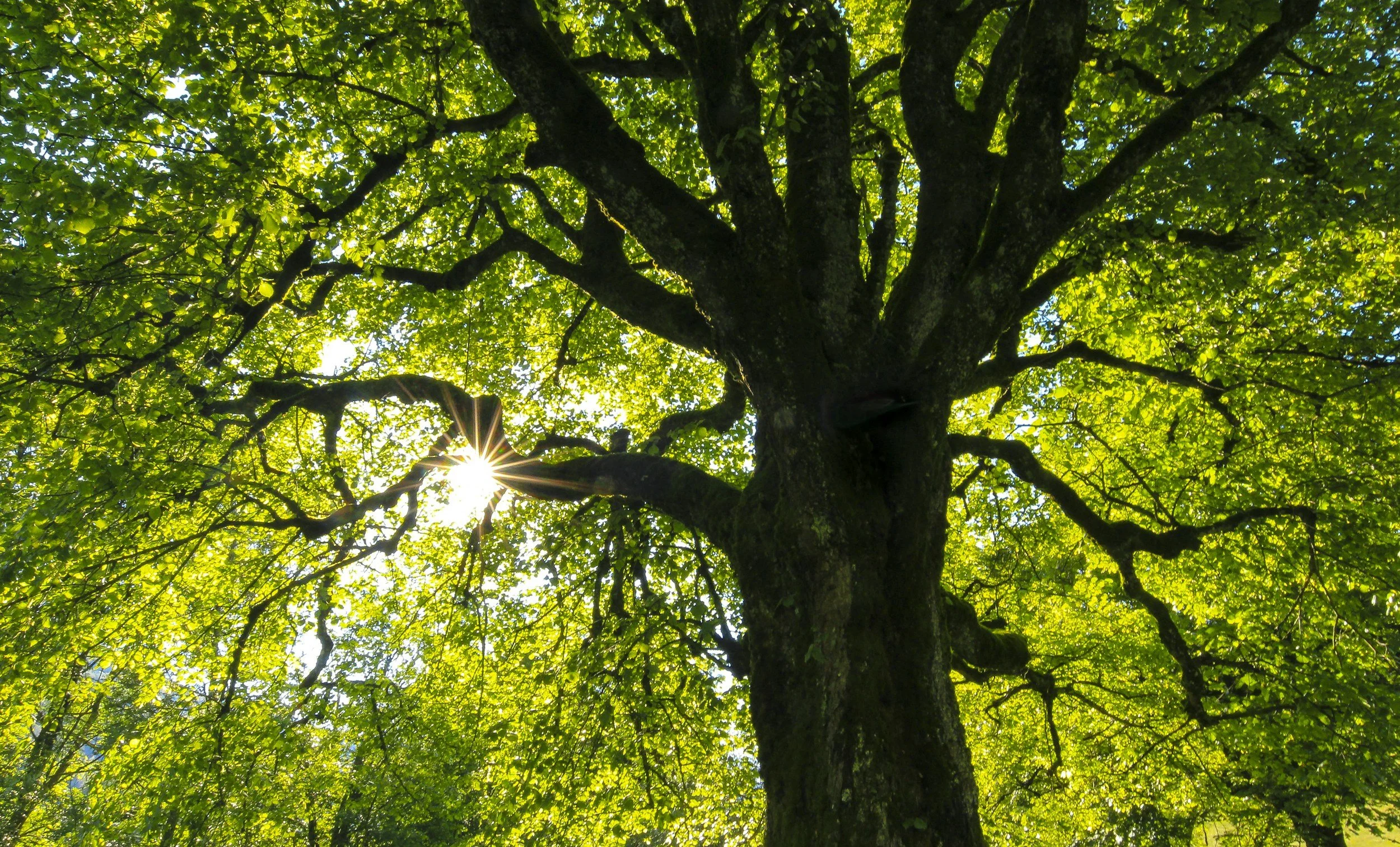
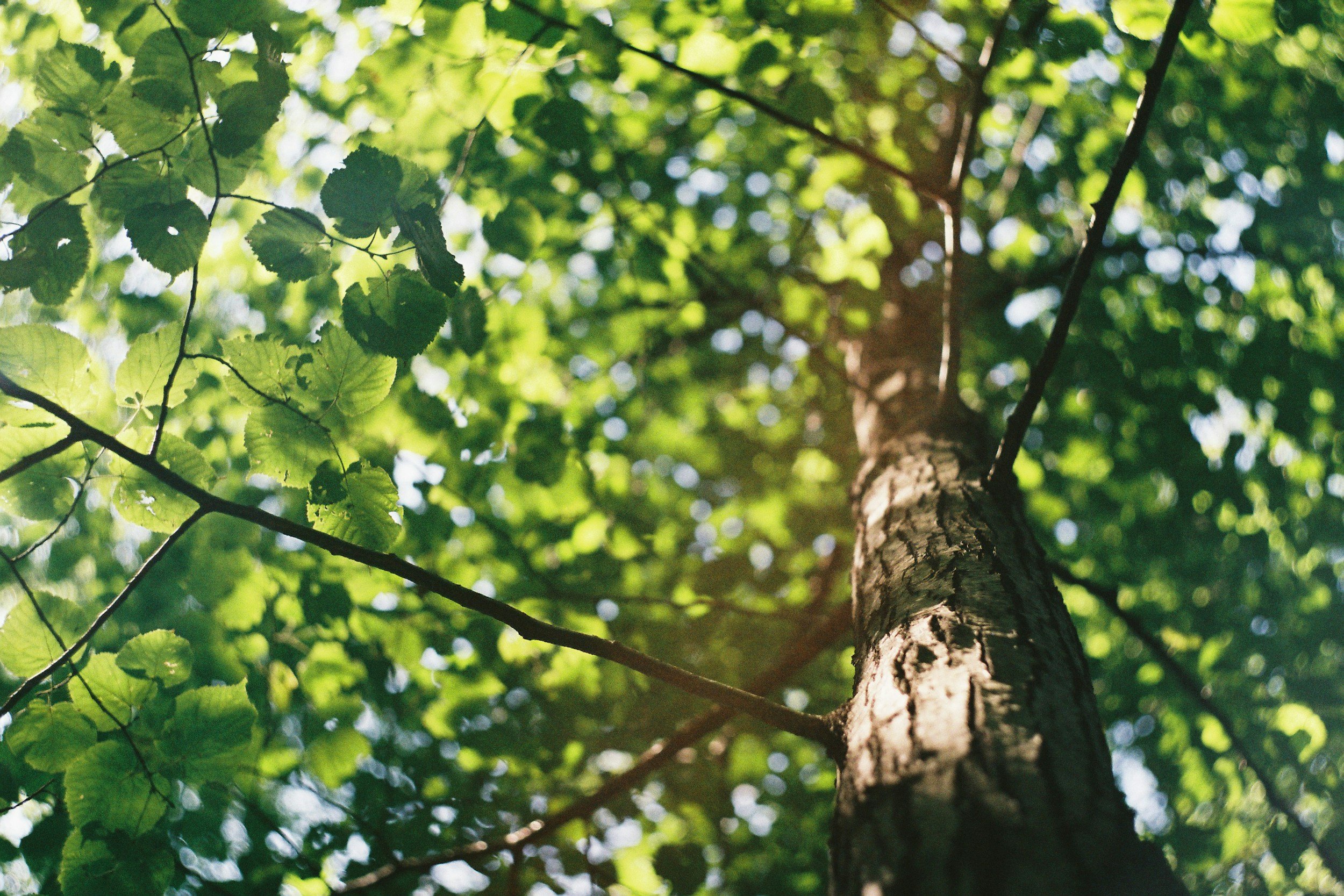
Heart-shaped leaves and white, orchid-like flowers – what’s not to love about the beautiful Northern catalpa? This fast-growing shade tree does very well in Wisconsin’s climate, tolerating cold winters, summer heat, and adjusts to a range of soil levels (though preferring full sun and well-drained soil). In addition to the extra-large (8-10” long) leaves, Northern catalpa trees produce fruit that resembles a large vanilla bean. In the spring, expect to catch a subtle, pleasant whiff of honey or jasmine from the flowers. Overall, this tree is a great choice if you are looking for a focal point in your landscape.
How It Grows
Northern Catalpa is a medium to large tree that typically grows 40-70 feet tall with a wide, open crown and beautiful spreading branches. The trunk can reach up to 3 feet in diameter with brown, flaky bark as the tree matures. This tree grows quickly when young. Expect 20 feet of height in the first 20 years, and then a slow growth as maturity hits. Catalpas are a solid investment for shade on your property.
Where to Plant It
Being a very adaptable tree, Northern Catalpas tolerate all of the conditions that south central Wisconsin provides. Does your property have a tough area, perhaps suffering from a drought, poor drainage, partial shade, full sun, road salt, alkaline or acidic soils? While catalpas enjoy full sun and well-drained soil, this tree could be a good option to thrive in those hard-to-please spots on your property. These trees are also cold hardy, so our winters are well within its comfort zone.
Pros & Considerations for Property Owners
Reasons to love it
Eye-catching flowers. When spring hits, this tree shows off with large, upright clusters of orchid-like white flowers with yellow stripes and purple spots. Not many hardy trees can compete with this beauty.
Tough as nails. Stress is nothing to this beauty. Northern Catalpas can thrive in compacted soil and poor drainage unlike many trees.
Keeping you cool. Catalpas quick, early growth means that you will be able to benefit from its’ shade much sooner.
Winter beauty. When the leaves drop, the cigar-shaped seed pods hang on through winter, giving a nice structural look.
Things to consider
Grab your rakes. Expect to clean up those beautiful flowers, large leaves, and long pods throughout multiple seasons. If you’re looking for a low-maintenance yard, catalpas may not be the first choice.
Brittle branches. Northern Catalpa branches tend to break easier in the wind or ice storms, so make sure to consider placement on property to be away from rooflines and parked vehicles.
It gets big. Make sure that there is plenty of room to fit a Northern Catalpa, as it can easily outgrow a tight space. The shade is great but watch for neighboring plants that like a little sunlight.
Little visitors. Some years welcome the catalpa sphinx moth caterpillars, stripping the trees foliage. However, it’s important to note that this only lasts for a season and does not damage the tree.
Arborist Perspective
Insert quote from Colton/Arron/Zach