
Sugar Maple
Expected Height/Spread: 60’-80’ tall, 40’-60’ wide
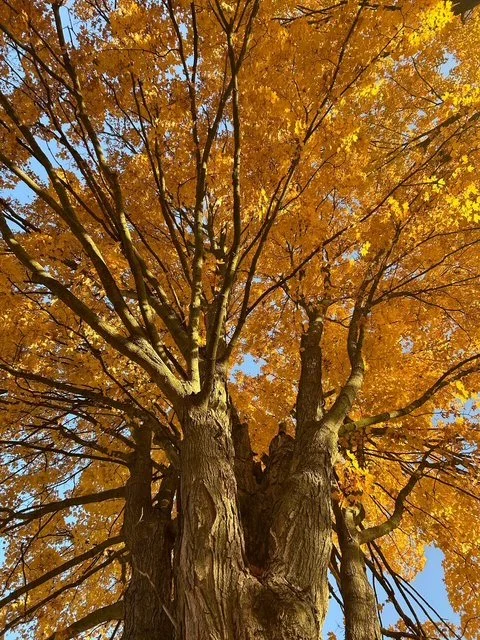
One of Wisconsin’s most beloved native trees, the Sugar maple provides beauty, comfort, and flavor! Its leaves provide beautiful colors during each season, ranging from rich green in the spring to yellow, red, and orange in the fall. Being Wisconsin’s state tree means that it was made to handle the cold of the winter and the humidity in the summer. Ideal for large areas, Sugar maples make for a great shade tree and are often used at parks and on large properties. The seeds of the Sugar maple feed wildlife such as squirrels, birds, and deer. The sap of the Sugar maple has a high sugar content, making it ideal for production of syrup.
How It Grows
Sugar Maples are slow to medium-growing trees, averaging about 1 to 2 feet in height per year in their early years of life. At full maturity, expect them to reach 60-80 feet with a wide, round canopy. The Sugar maple prefers full sun or partial shade and thrives in well drained, slightly acidic soils. Expect to see small, yellow-green flowers in the spring, followed by winged seeds called samaras, or sometimes known as helicopter seeds. This is a tree that shows its beauty as the seasons shift and is a great focal point for any property.
Where to Plant It
Sugar Maples want to grow and thrive, so making sure that you plant these in an area that will allow them to reach their full potential is the best option. This includes planting at least 30-40 feet away from houses and buildings, as they develop a deep root system as time passes. Be sure to avoid tightly compacted soil and an area that is susceptible to road salts.
Pros & Considerations for Property Owners
Reasons to love it
Fall colors! The Sugar Maple really shows off its beauty as summer comes to an end and fall takes over. The red, orange, and yellow leaves easily make your property stick out in the best way.
Structurally sound. With a deep root system as the years pass, the Sugar Maple is a strong and reliable tree to have on your property. They also have a lifespan of 100+ years in Wisconsin’s weather conditions if properly planted and cared for.
Pancakes, anyone? As the Sugar Maple matures, there may be opportunity to enjoy homegrown maple syrup!
Things to consider
Slow to grow. If you are looking for a tree that is going to provide shade right away, you may want to look into other options. Sugar Maple trees are on the slower end of growth.
Size of property. If you have a smaller yard, the Sugar Maple might not have enough room to reach its’ full potential.
Surface roots. There is potential for a Sugar Maple to develop surface roots if not managed properly, which are roots growing close to or on top of the soil. This happens with compacted soil and frequent watering of lawns.
Arborist Perspective
Insert quote from Colton/Arron/Zach